
Standing on Trau Hill in Do Vinh Ward for over 700 years, Cham towers of Po Klong Garai Temple remain striking with unique cultural imprints of Cham people. Over time, the monument has suffered natural weathering and environmental degradation. To protect the site, Khanh Hoa Province is stepping up restoration and conservation efforts for this special national monument, aiming to safeguard its original values and cultural vitality for future generations.
Timeless imprints
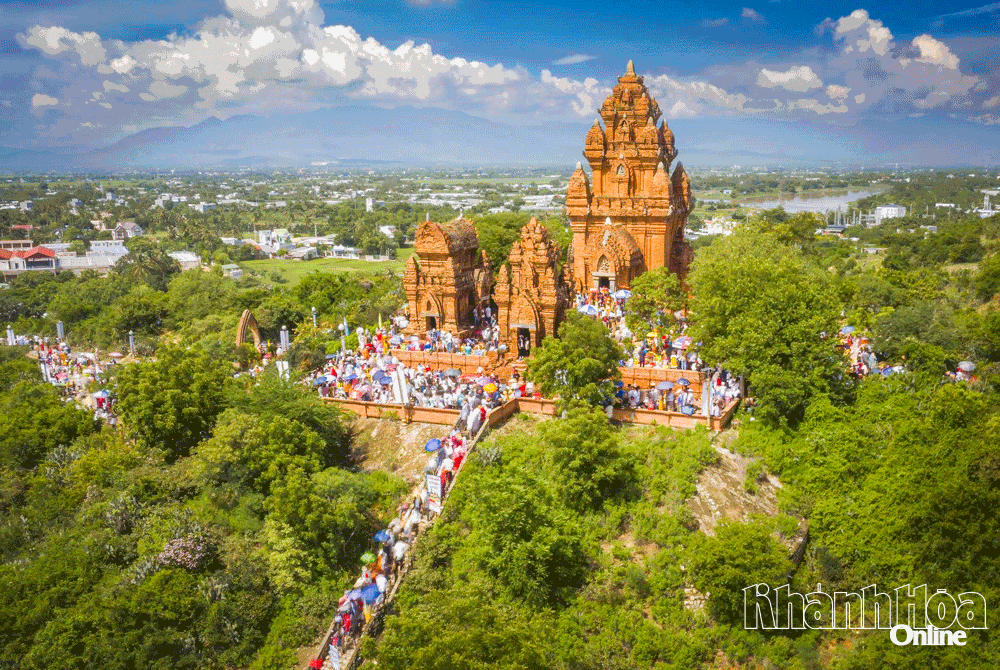
Standing on Trau Hill, Po Klong Garai Temple presents a beauty of solemn majesty. The interconnected dark red brick structures form unique architectural works, serving as a link to the ancient Panduranga land. Constructed between the late 13th and early 14th centuries, the complex honors King Po Klong Garai, a king revered by the Cham community. Over many centuries, the complex retains three main structures in relatively intact condition, including the main tower (Kalan), the gate tower (Gopura), and the fire tower (Kosagrha).
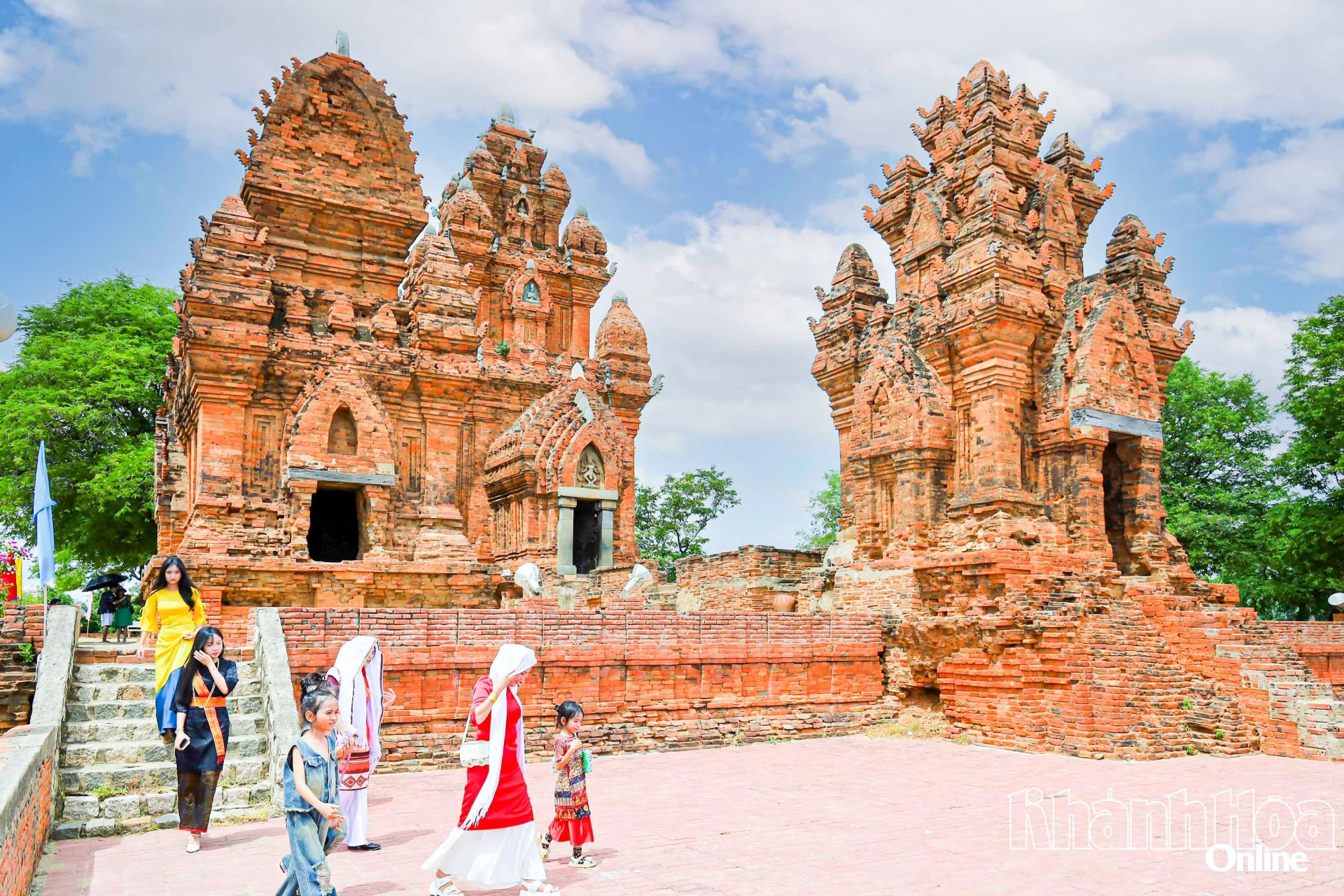 |
| Special National Monument Po Klong Garai Temple |
Built without common construction materials like stone or mortar, the works of Po Klong Garai Temple were created mainly from bricks, combined with unique construction techniques and material bonding methods. The lines along the towers’ body, doors, roofs, reliefs, statues, and decorative patterns reflect the astonishing technical skill and artistry of ancient Cham craftsmen. Beyond its physical beauty, Po Klong Garai Temple holds spiritual significance handed down through generations for the Brahmanic Cham community. The temple is the place for Cham people to gather and perform traditional rituals during the annual Kate Festival. The complex was recognized as a national architectural and artistic monument in 1979 and designated a special national monument by the Prime Minister in 2016.
 |
Preserving a living cultural space
Over centuries of exposure, natural impact has gradually affected the building materials and structural elements of the temple. For Po Klong Garai Temple, restoration does not aim to make the towers look new. The priority is safeguarding as much of the existing monument as possible, from original architectural components and materials to the space and landscape associated with the towers. Preservation interventions must adhere to scientific research, documentation records, remaining traces, and the actual structural condition of each component. Components still capable of preservation will be prioritized for consolidation and reinforcement.
Following directives from the Provincial People's Committee, the Provincial Department of Culture, Sports and Tourism cooperated with specialized agencies and consulting units to complete the dossier for the preservation, restoration, and conservation of Special National Monument Po Klong Garai Temple. Upon completion, the department advised the Provincial People's Committee to submit the proposal to the Ministry of Culture, Sports and Tourism for review and appraisal within its authority.
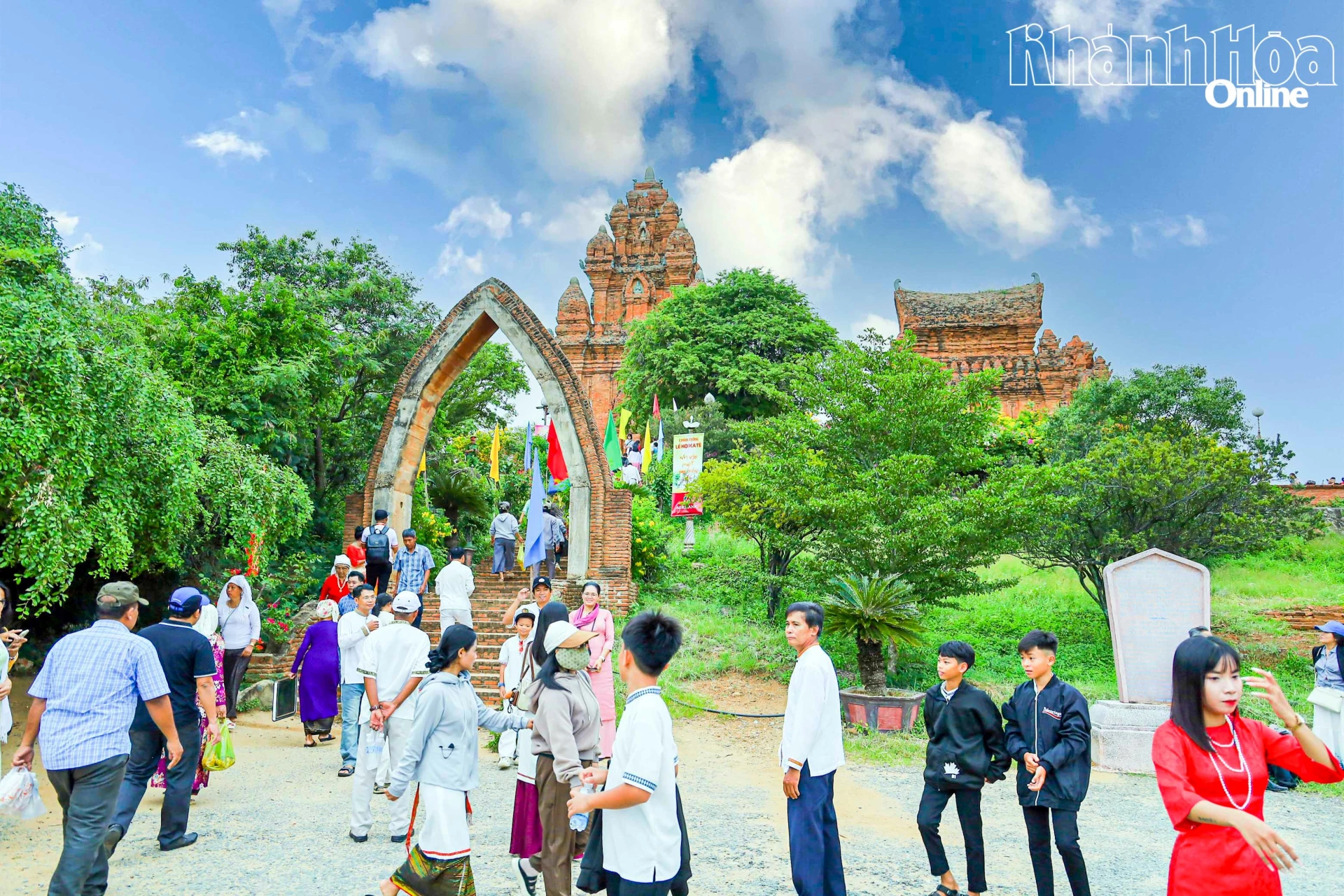 |
| Special National Monument Po Klong Garai Temple is located on Trau Hill |
"For a monument of special value like Po Klong Garai Temple, the most important thing is safeguarding original elements and structural authenticity. Restoration must be carried out cautiously on a scientific basis while maintaining the cultural and spiritual space of Cham community," said Thai Thi Le Hang, Director of the Provincial Department of Culture, Sports and Tourism.
Po Klong Garai Temple is not only an attractive destination for tourists but also a symbol of Cham culture, an important address in the journey to understand the history and culture of the land of Khanh Hoa. When preservation, restoration and conservation work is implemented on a scientific basis and adhering to conservation principles, the monument will have more conditions to endure over time. Architectural, artistic and cultural values handed down through centuries will continue to be preserved, while the spiritual space and cultural life of the community are still maintained.
GIANG DINH
Translated by H.N




Thông tin bạn đọc
Đóng Lưu thông tin