
Developing cultural heritage urban areas is currently a matter of interest. Based on the criteria on cultural heritage urban areas issued by the Government, Khanh Hoa Province has the potential to form cultural heritage mini-urban areas in Ninh Phuoc Commune and Dien Khanh Commune.
A suitable model
Currently, provinces and cities such as Hanoi, Ninh Binh, Hue, Da Nang... are researching the creation of large-scale cultural heritage urban areas. Prominent examples include developing Hanoi City, Hue City, and the ancient town of Hoi An (Da Nang City) into cultural heritage urban areas representative of the nation. These urban areas have been honored multiple times by UNESCO across various fields, and their cultural heritage values are highly representative of the country. Globally, cities like Kyoto (Japan), Gyeongju (South Korea), Florence (Italy), and Quebec (Canada) have oriented toward development into cultural heritage urban areas, turning heritage into foundation for tourism development, cultural industries, and urban branding.
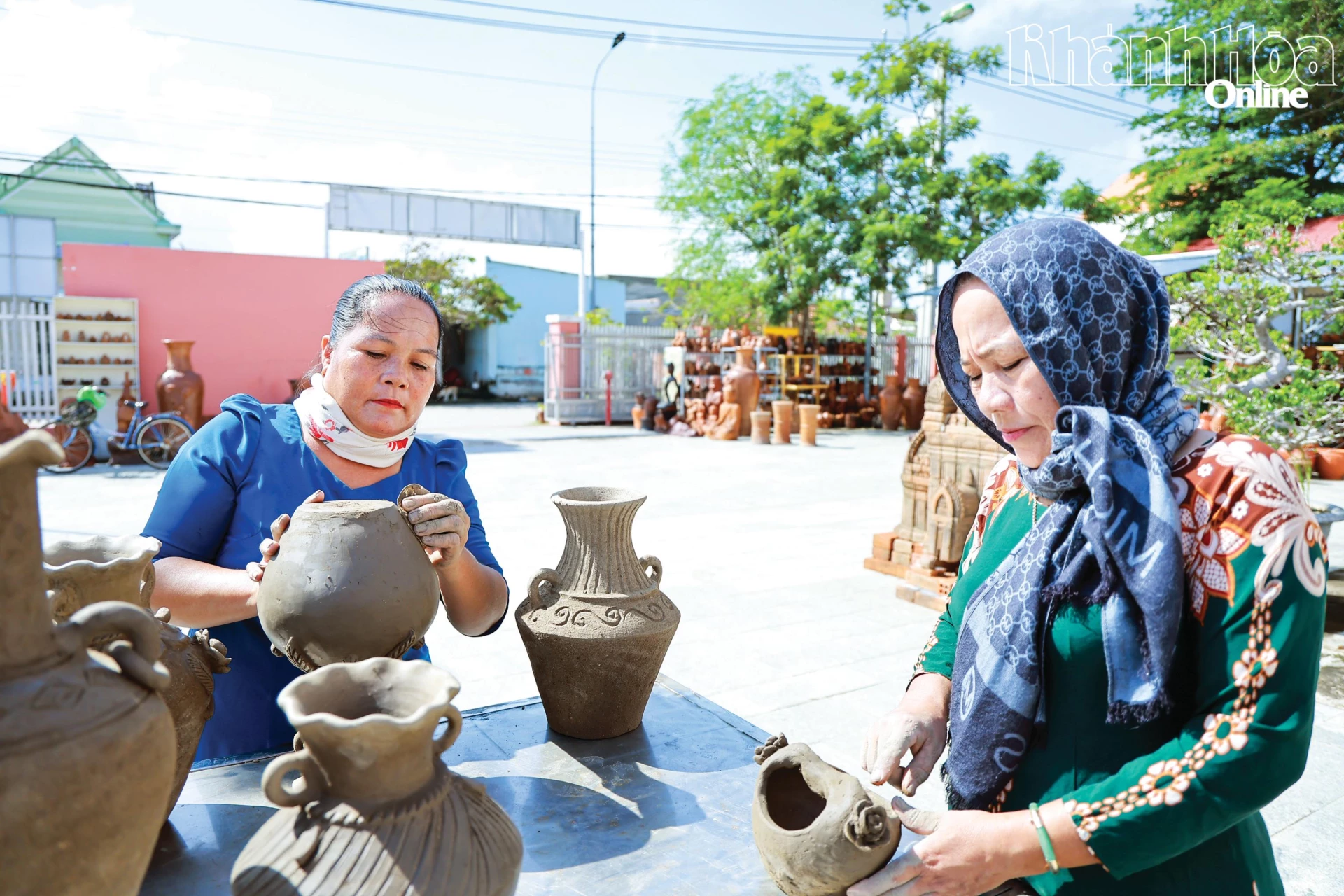 |
| A Cham artisan crafting pottery in Bau Truc village, Ninh Phuoc Commune |
While Khanh Hoa Province doesn’t yet meet all criteria for a national-level cultural heritage urban area, establishing smaller-scale cultural heritage mini-urban areas to preserve, promote, and elevate cultural heritage values is within reach. Benchmarked against the government’s criteria, Khanh Hoa can pilot this model in Ninh Phuoc Commune and Dien Khanh Commune.
In Ninh Phuoc, cultural heritage includes the art of Cham pottery making (recognized by UNESCO as Intangible Cultural Heritage in Need of Urgent Safeguarding) and Kate Festival (recognized as a national intangible heritage). Meanwhile, Dien Khanh features the 200-year-old Dien Khanh Citadel, a national monument and the art of Bai Choi folk singing (inscribed on UNESCO's Representative List of the Intangible Cultural Heritage of Humanity).
An opportunity to elevate cultural heritage
The Cham ethnic community in Ninh Phuoc Commune is preserving many unique traditional cultural values, contributing to creating the locality's distinct cultural identity. Most prominent is Bau Truc pottery village, one of the oldest pottery villages in Southeast Asia, where the Cham community practices, transmits, and preserves the UNESCO-inscribed intangible cultural heritage of Cham pottery art. Annually, together with many other localities, Cham people in Ninh Phuoc organize Kate Festival featuring sacred rituals and vibrant festivities. Notably, the opening ceremony of Po Klong Can temple is linked with the anniversary of the founder of the Cham pottery craft in Bau Truc village. Following the ceremonial rituals, local people dressed in beautiful costumes sing, dance, and perform distinctive folk music and dances of the Cham ethnic group.
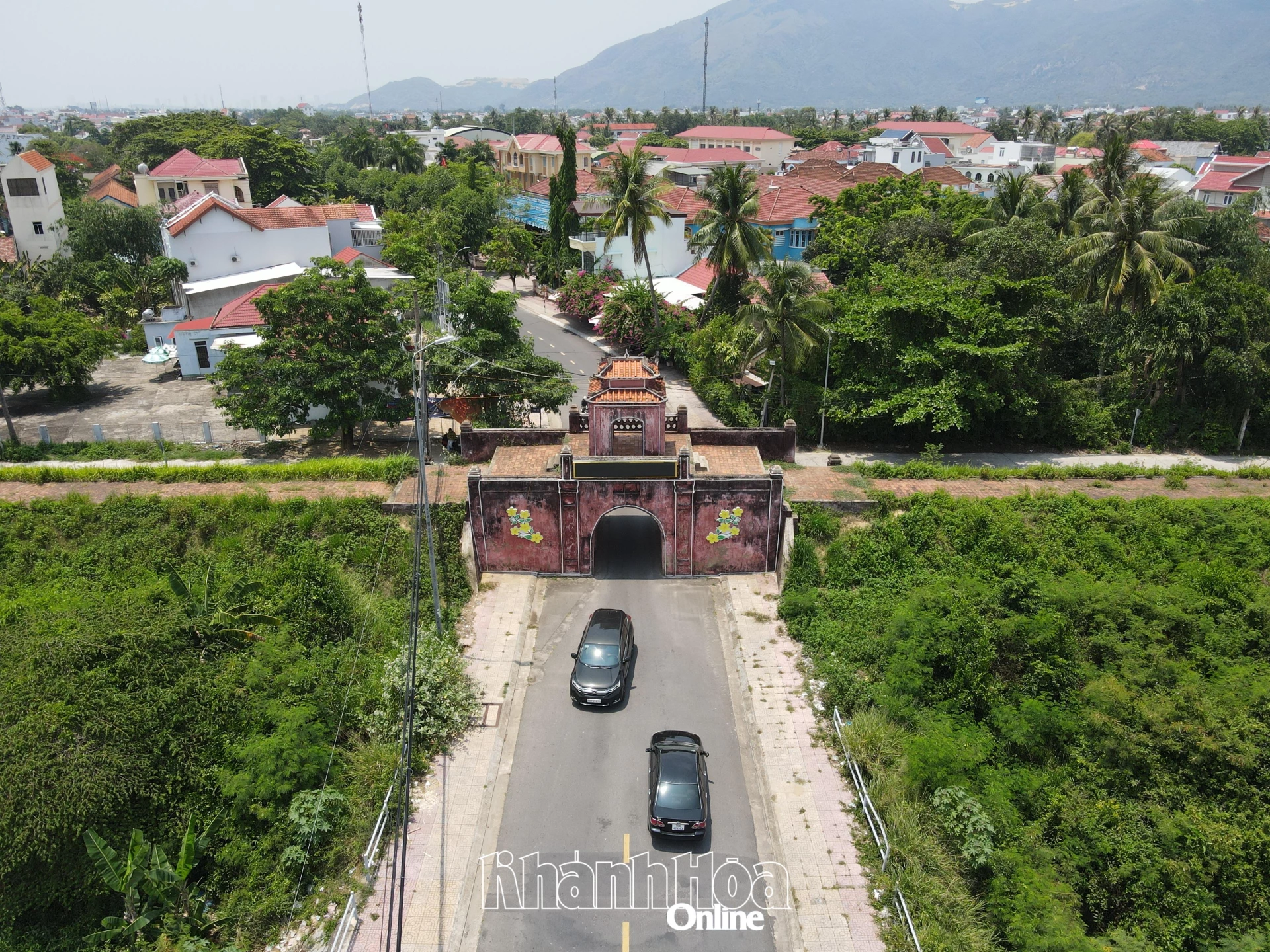 |
| A corner of Dien Khanh Citadel before restoration |
This is a valuable cultural resource that plays an important role in preserving heritage and national cultural identity, while developing traditional craft villages in connection with community-based tourism. This is especially significant as Ninh Phuoc Commune is targeting development into a ward. As said by Quang Thuc Doan, chairman of People's Committee of Ninh Phuoc Commune, the locality is focusing on leveraging its advantages in geography, infrastructure, and cultural identity to promote socio-economic development. In October, the commune will organize the first Bau Truc Cham pottery festival during the 2026 Kate Festival. This event will help preserve, promote, and showcase the locality's distinctive cultural heritage
Dien Khanh Citadel was constructed in 1793 under Lord Nguyen Phuc Anh and was classified as a national-level monument in November 1988. This site witnessed many important historical events during the Nguyen Dynasty, the Tay Son period, and in the struggle against foreign invaders for national independence. It holds rich historical, cultural, architectural, artistic, and military value. Restoration work on the Citadel is currently underway and expected to finish in 2026. Once completed, provincial agencies and local authorities will develop plans to leverage its value for cultural tourism.
Dien Khanh also features several other national monuments, including Dien Khanh Temple of Literature, Trinh Phong Shrine, and Tran Quy Cap Temple, along with the intangible cultural heritage of Bai Choi folk singing, practiced daily by local residents and artisans. Notably, Dien Khanh meets all criteria to become a ward and a growth pole for western Nha Trang.
According to Le Van Hoa, deputy director of the Department of Culture, Sports and Tourism, Ninh Phuoc and Dien Khanh communes possess potential with distinctive tangible and intangible cultural values. Connecting these monuments and heritage can elevate their values. Piloting mini-heritage urban areas in these two localities offers a promising path for preserving and promoting cultural heritage in the new era. This is also a necessary step to realize the directive the Central Government and the province on Vietnamese cultural development.
GIANG DINH
Translated by H.N





Thông tin bạn đọc
Đóng Lưu thông tin