
Coral diving has rapidly expanded in Nha Trang Bay and several coastal areas of Khanh Hoa Province, drawing a significant influx of local and international tourists. However, this popularity has inadvertently caused threats to coral reefs.
Most coral reefs are found in shallow coastal waters, making them particularly vulnerable to the effects of human activities such as diving and physical contact such as touching and stepping on them. “We should not feed the fish while snorkeling as feeding the fish disrupts their natural feeding habits, and makes them dependent upon this new source, they gradually lose their foraging ability. Additionally, leftover food can harm coral reefs, further impacting the delicate marine ecosystem," said Nguyen Duc Minh Tan, Deputy Head of the Conservation Office (Nha Trang Bay Management Board).
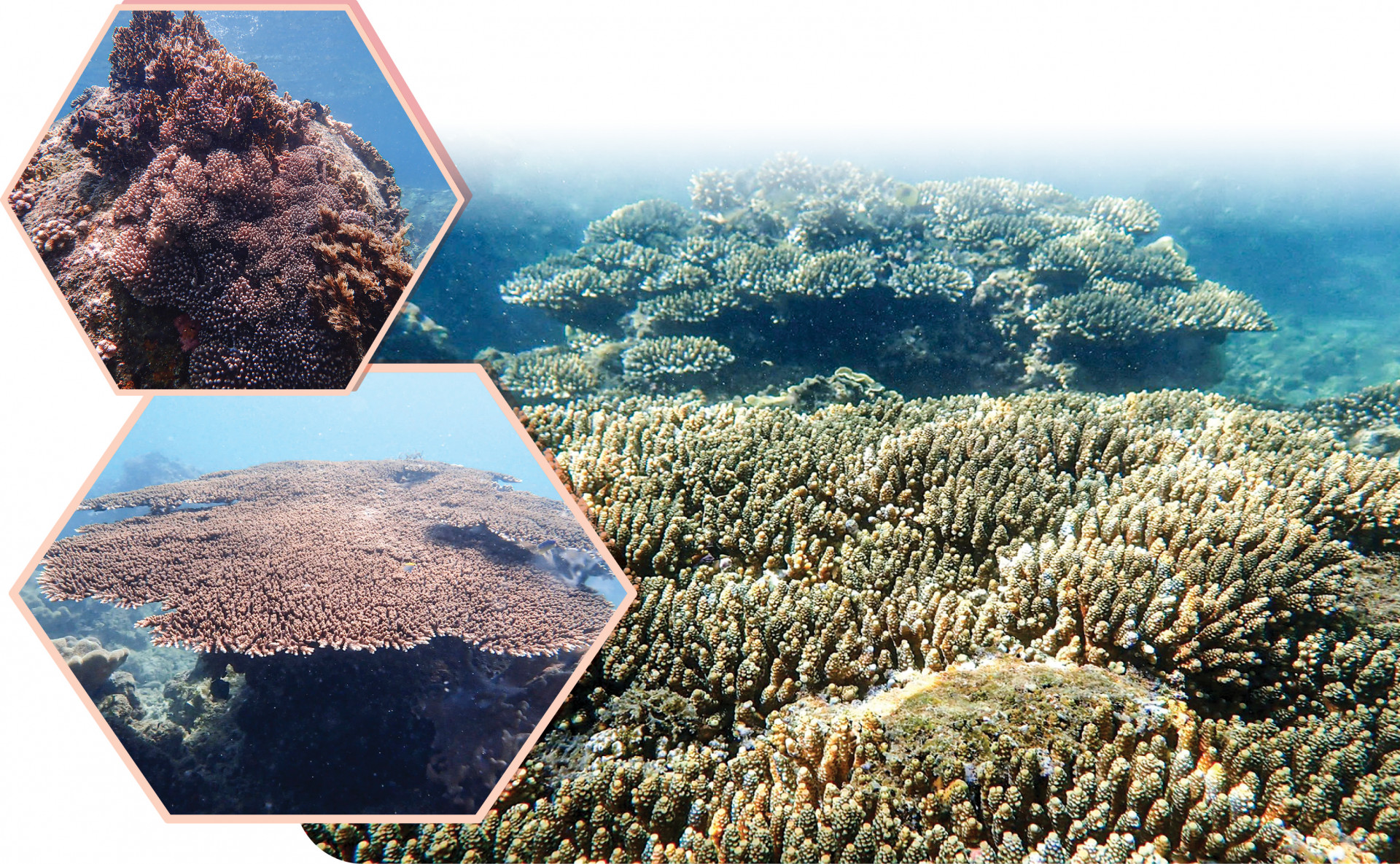 |
| Coral reef ecosystem in Nha Trang Bay. |
Dam Hai Van, Chief of Nha Trang Bay Management Board affirmed that all acts of encroachment and impact on coral reef ecosystems are strictly prohibited. Currently, the board has requested tourism companies not to organize activities for tourists to lure fish with synthetic food. It is essential to raise awareness among tourists about environmental protection and marine ecological balance in Nha Trang Bay.
Exceptionally low tides often expose shallow water coral heads, making them vulnerable to damage from human activities such as touching and stepping on them. According to research by the Institute of Oceanography, coral reefs in Khanh Hoa are mainly distributed in shallow coastal waters and islands. They include some large reefs such as Grandbank (Nha Trang Bay) and Thuy Trieu (north Cam Ranh). The surge in tourism activities in recent years has been identified as a contributing factor to the growing strain on coral reef ecosystems.
According to Ph.D Vo Si Tuan, former Director of the Institute of Oceanography, we can protect coral reefs by taking specific actions such as refraining from buying or selling live corals and reef fish for decoration, avoiding physical contact or stepping on corals, and enhancing diving skills to prevent accidental collisions with reef structures. It is essential to respect the natural habitat of marine life and minimize any disturbances that could cause them stress.
Following the rules when taking a tour out to the sea: “Kill nothing but your time. Take nothing but photographs. Leave nothing but bubbles"
Coral reefs are the most diverse ecosystems in the ocean. Although covering less than 1% of the ocean, coral reefs are home to about 25% of marine species. They provide shelter and food for thousands of fish and other creatures and function as natural barriers that help mitigate coastal erosion. Coral reefs that have grown for thousands of years are vulnerable to damage, but vital to marine life.
T.Thinh
Translated by N.T








Thông tin bạn đọc
Đóng Lưu thông tin