
All hospitals nationwide are required to put electronic medical records into operation by early October 2025 to achieve the goal of the Ministry of Health. This pivotal initiative marks a significant advancement in improving healthcare services, ensuring transparency and efficiency in management, towards building an improved modern healthcare system.
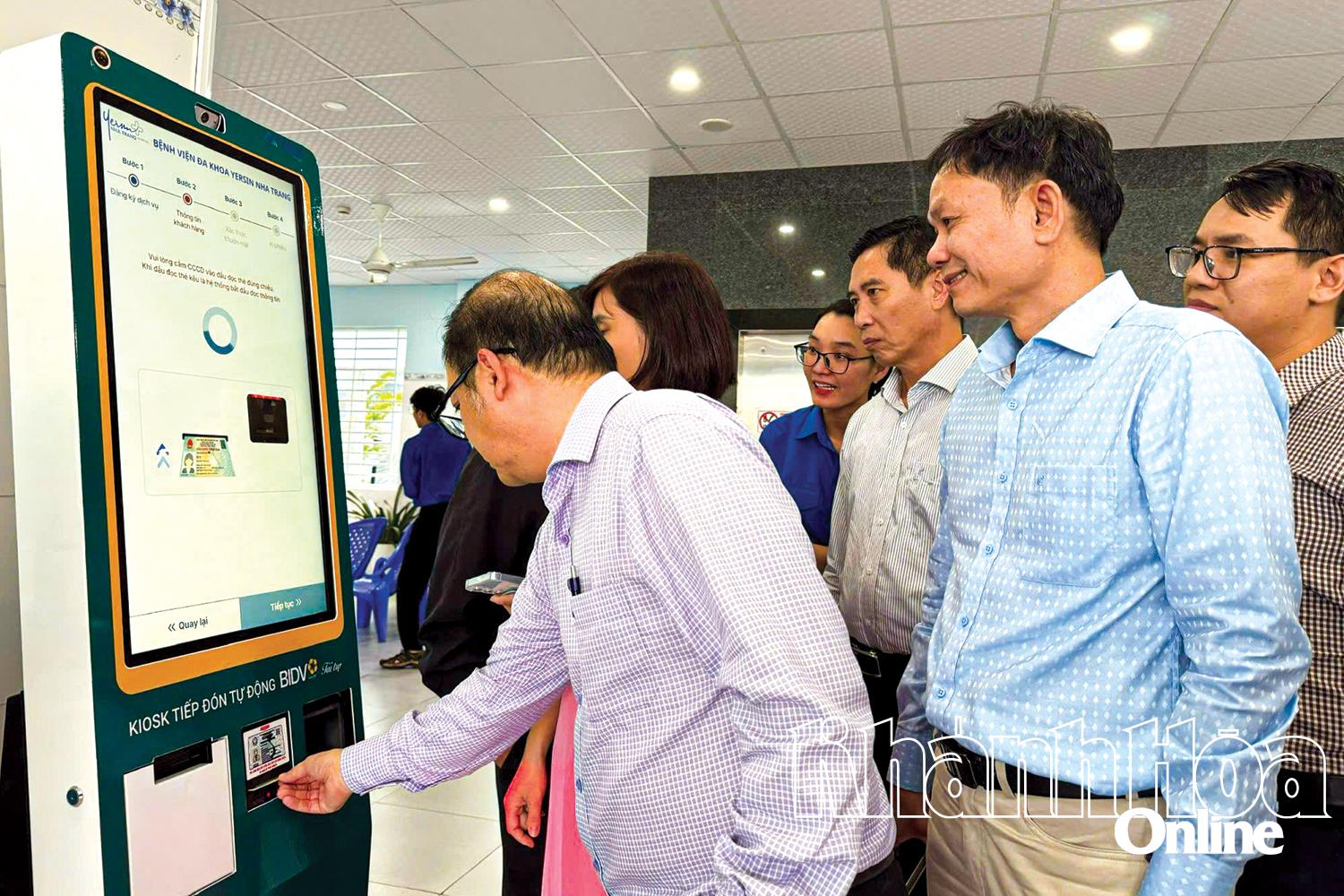 |
| Towards a smart, paperless hospital, Yersin Nha Trang General Hospital puts smart medical kiosks into operation. |
Electronic medical records already implemented at many hospitals
As a provincial level II hospital, Khanh Hoa Hospital of Tropical Diseases has recently focused on investing in technology infrastructure, accelerating the application of information technology in management, billing and data storage. The hospital officially launched electronic medical records on September 19, helping to standardize data, enhance connectivity, streamline administrative procedures, and enhance treatment efficiency.
The implementation of electronic medical records in place of traditional paper ones has numerous practical benefits. It streamlines the examination and treatment process, reduces operational costs, enhances information security, and ensures accurate data management for better scientific research. This marks a significant step toward building a smart paperless hospital model, according to Dr. Ly The Huy, Deputy Director in charge of Khanh Hoa Hospital of Tropical Diseases.
Along with the synchronous investment in technological infrastructure, equipment and professional development, in September, Yersin Nha Trang General Hospital officially put the electronic medical records into use, help save time, improving the quality of treatment and creating convenience for both patients and medical staff.
According to Dr. Nguyen Dac Thuan, Director of Yersin Nha Trang General Hospital, after difficulties in the initial stage, the medical staff have gradually adapted to the implementation of electronic medical records. The hospital has also steadily invested in necessary equipment, resulting in a stable and reliable system.
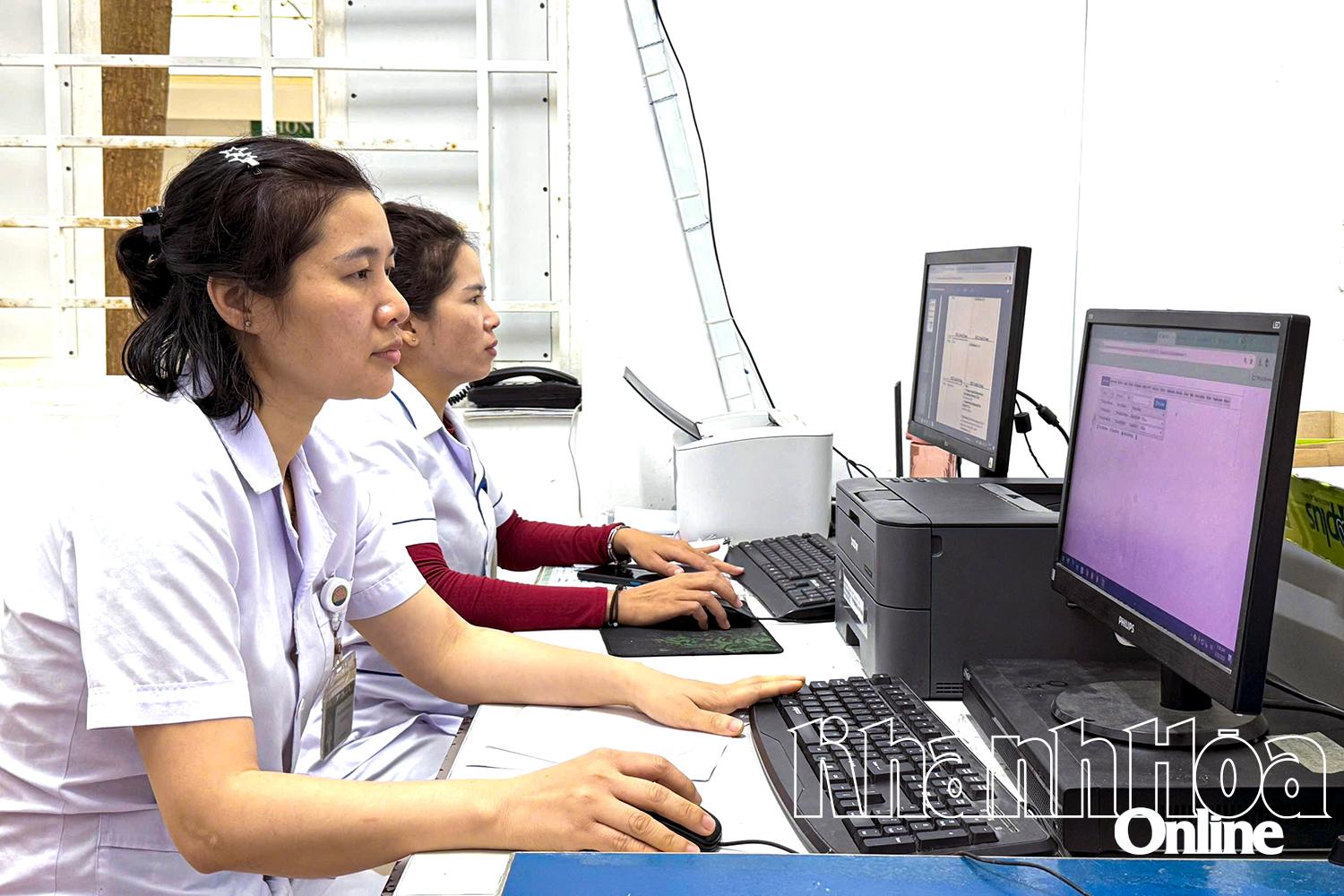 |
| Medical staff at the Provincial Mental Hospital check electronic medical records. |
Appropriate support mechanisms needed
Implementing the digital transformation roadmap in the healthcare sector, electronic medical records are expected to replace paper ones, contributing to improving management efficiency, saving costs and improving the health care and treatment quality. However, in reality, when electronic medical records are implemented, many medical facilities, especially those in remote areas, have encountered difficulties due to high costs in technical infrastructures, lack of asynchronous software, etc. causing disruptions in data storage and sharing.
Despite challenges, under the leadership of the Department of Health, all public hospitals in the province had implemented electronic medical records by September 26, aiming to streamline administrative procedures and enhance patient benefits. Electronic medical records enable centralized data management and transparent information flow, saving time and enhancing the accuracy and quality of diagnosis and treatment.
To ensure the effective implementation of electronic medical records, the efforts of medical facilities must be complemented by supportive policies and mechanisms from the State, along with coordinated investment in technology infrastructure. This alignment is essential to achieve the set goals of developing a modern, transparent, and patient-centered healthcare system for improved public healthcare in the digital transformation era.
C.D
Translated by N.T










Thông tin bạn đọc
Đóng Lưu thông tin