
From waterfalls weaving through rocky terrain and mountain-traversing routes to the cultural landscape of Raglai people, Anh Dung Commune has abundant tourism potential. Leveraging these existing features, the commune is shaping a tourism development strategy centered on nature, indigenous culture, and the local community.
Abundant resources
A short distance from National Highway 27, turning into the former Hoa Son residential area (now part of Anh Dung Commune), lies Tien Waterfall (Fairy Waterfall). The landscape here is distinctive, and its proximity to the residential area makes it easily accessible. The waterfall is not particularly high; it sits amidst a vast rocky expanse where the water winds through massive boulders, splitting into multiple tiers and branches. The water flows over rock surfaces, pools in small hollows, disappears behind rock formations, and re-emerges at lower levels. During the rainy season, the water volume increases, clearly revealing the cascading tiers and highlighting the area's natural geological structure.
The visitor experience centered on Tien Waterfall can extend to Song Than Lake and other waterfalls such as Lien Xo, Mua, and Gia Hoa before following mountain routes to Raglai villages. The network of rivers and streams, combined with largely pristine landscapes, creates ideal conditions for developing activities like trekking, camping, and nature exploration.
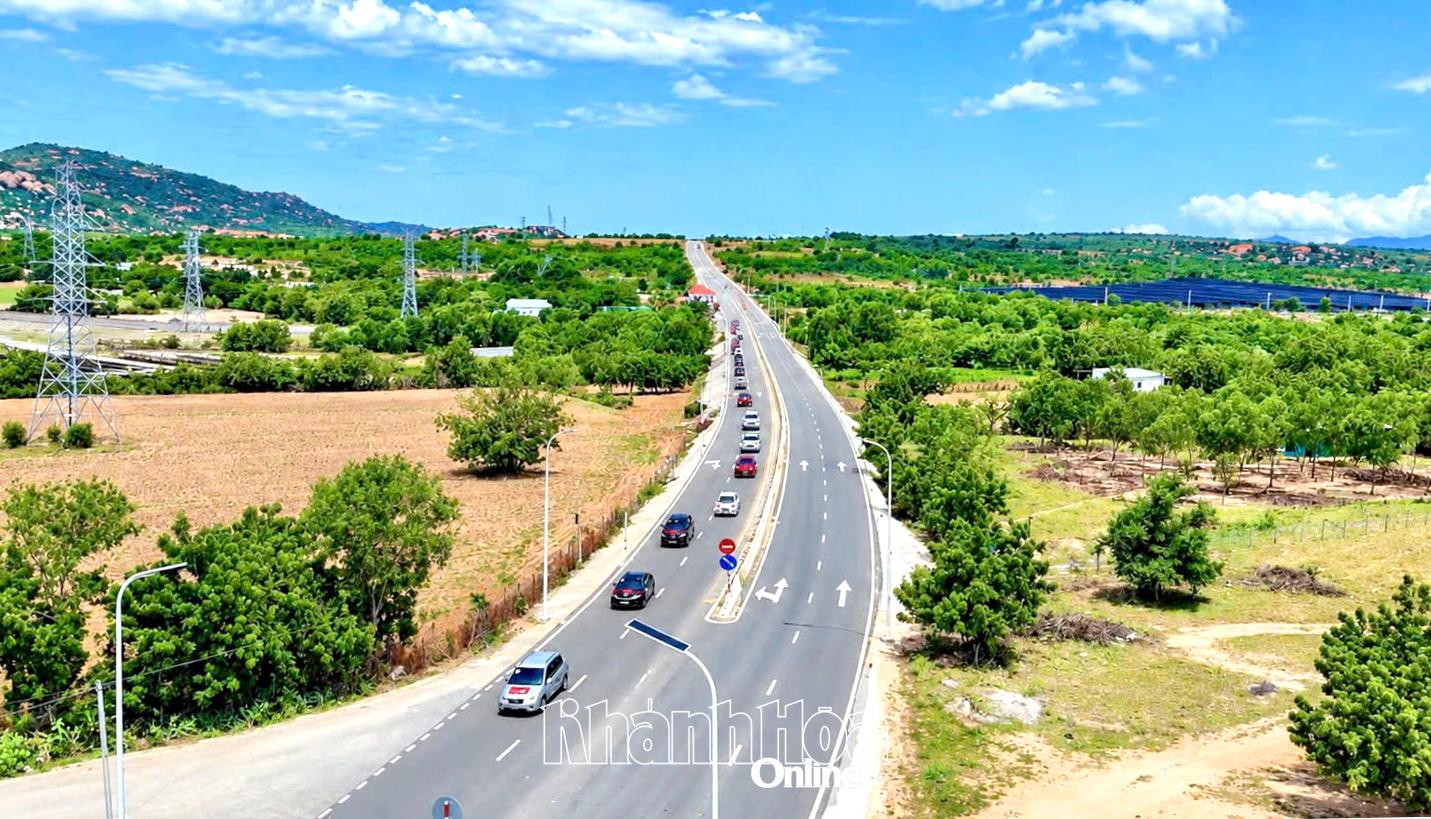 |
| Favorable transport infrastructure opens up further opportunities to connect Anh Dung Commune with inter-regional tourism itineraries. |
Anh Dung Commune’s tourism resources also include interconnected routes that offer unique experiential value. Ma Noi - Ta Noi route is one such example; along the journey, the landscape gradually shifts from mountainsides, valleys, and cultivated fields to Raglai villages. From Ta Noi, the route continues toward Ta Nang (Lam Dong Province), opening up a journey that connects the coastal region with the highlands.
Truong Dinh Quoc, representing a tourism company specializing in caravan tours based in Dong Nai, stated: “We have frequently led convoys along the Ma Noi - Ta Noi route. The scenery changes constantly, so for caravan travelers, the road itself is part of the experience. If there were additional stops featuring local cuisine, agricultural products, and culture, travelers would have more reasons to linger rather than simply passing through.”
The culture and lifestyle of the Raglai community also represent resources that should be leveraged for tourism. In localities such as Ta Noi, Gia Hoa, Gia Rot, Do Village, and U Village, the people preserve many traditional cultural values, including the new rice offering ceremony, the grave-abandonment ritual, performances of ma la, gongs and chapi lutes, folk singing and dancing, and traditional basket weaving. Meritorious Artisan Chamaléa Au continues to teach ma la music and traditional folk melodies, as well as the crafting and playing of the chapi lute.
From potential to tourist products
According to Phan Ke Vu, Vice Chairman of Anh Dung Commune People's Committee, facilities for accommodation, dining, and support services in the area remain scarce and small-scale; the local workforce lacks skills in hospitality, restaurant operations, tour guiding, and service management. Local authorities have identified these as limitations that must be addressed while developing tourism resources.
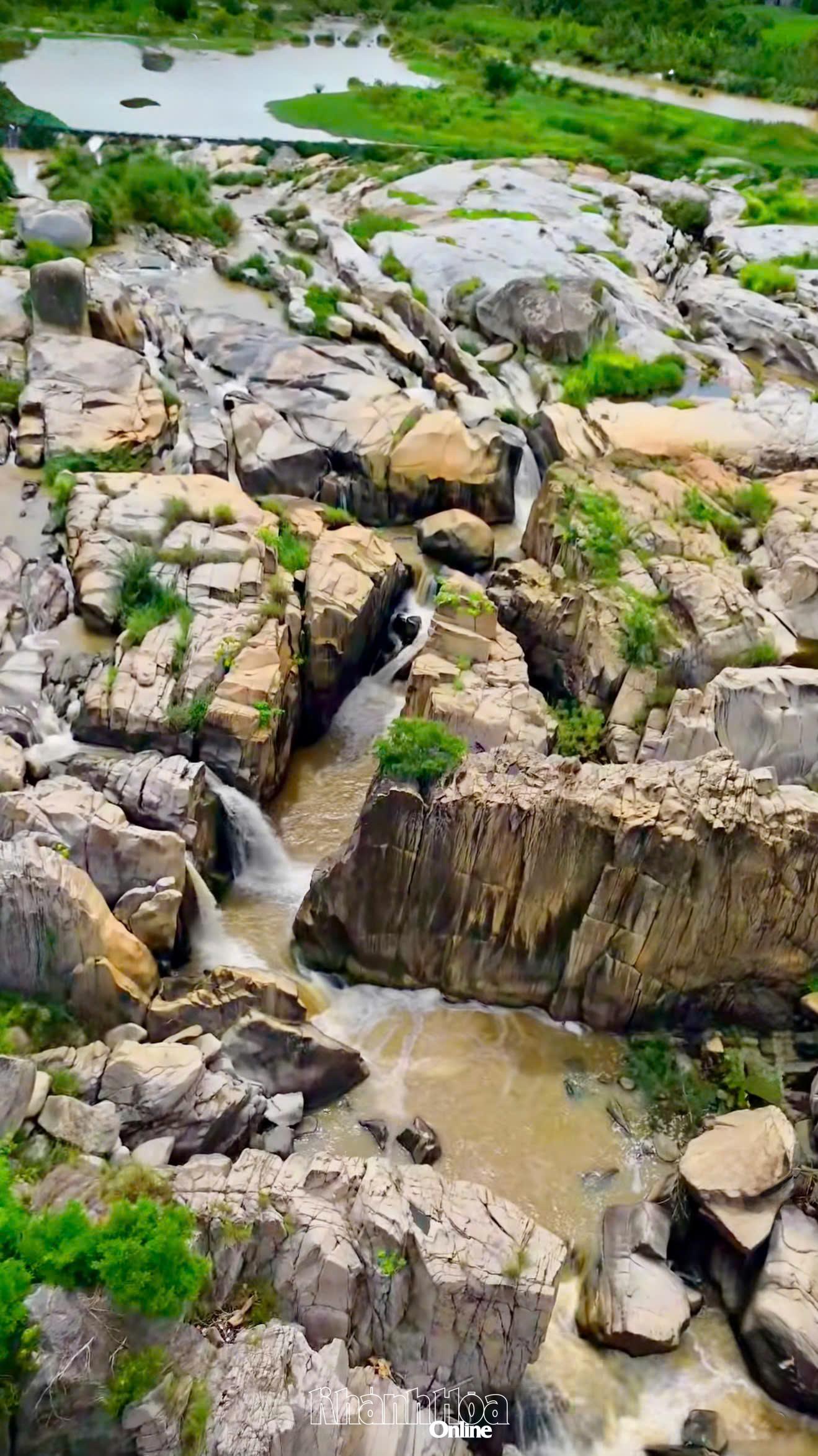 |
| Tien Waterfall, a scenic spot in Anh Dung Commune. |
In its tourism development strategy, Anh Dung Commune has adopted a zoning approach to focus its product offerings. The southwestern zone, encompassing Ta Noi - Ta Nang route, Lien Xo, Gia Hoa, and Mua waterfalls, and Raglai villages, is oriented toward eco-tourism and exploration linked to community culture. The northeastern zone centers on Song Than Lake and Tien Waterfall, connecting the fruit-growing areas of Tan Lap, Tan Hiep, and Tan Dinh. Based on these two zones, the commune has defined three main product groups: eco-tourism and exploration, culture and community, and agricultural tourism.
This zoning strategy aims to effectively leverage local potential. Specifically, the waterfalls, lakes, and routes offer nature-based experiences; Raglai villages provide cultural, culinary, and accommodation options; and fruit-growing areas contribute agricultural tourism products. "The commune has designated Ta Noi and Gia Rot as priority areas for community-based tourism development. Accordingly, we are selecting suitable households to develop stilt-house homestays and are upgrading landscapes, installing signage, and setting up waste collection facilities. At the same time, the commune plans to organize tourism skills training in Ta Noi, Gia Rot, and Tan Lap, alongside vocational training in basket weaving, Chapi instrument making, and the creation of local handicrafts," stated Phan Ke Vu.
Once products and services are aligned with transport infrastructure improvements, Anh Dung Commune has the opportunity to become a key stopover on the journey from Khanh Hoa Province’s southern coast up to the highlands.
Under the development plan through 2030, Anh Dung Commune aims to develop tourism at Tien Waterfall, Song Than Lake, Lien Xo Waterfall, and Mua Waterfall, while maintaining cultural activities associated with the "new rice" ceremony in Ta Noi and Gia Hoa. Establish one or two groups dedicated to crafting traditional items. Simultaneously, aim to develop at least two garden-based tourism facilities that combine homestays with agricultural production, and seek investment for one or two rest stops along Anh Dung - Ta Nang route to provide dining and resting facilities while linking the travel itinerary.
Thanh Xuan
Translated by T.T




Thông tin bạn đọc
Đóng Lưu thông tin