
In recent years, environmental protection has received consistent attention and guidance from Party committees and local authorities, resulting in significant achievements. In the coming time, accurate environmental assessments will continue to be emphasized to guide infrastructure investment, ensuring both rapid and sustainable development.
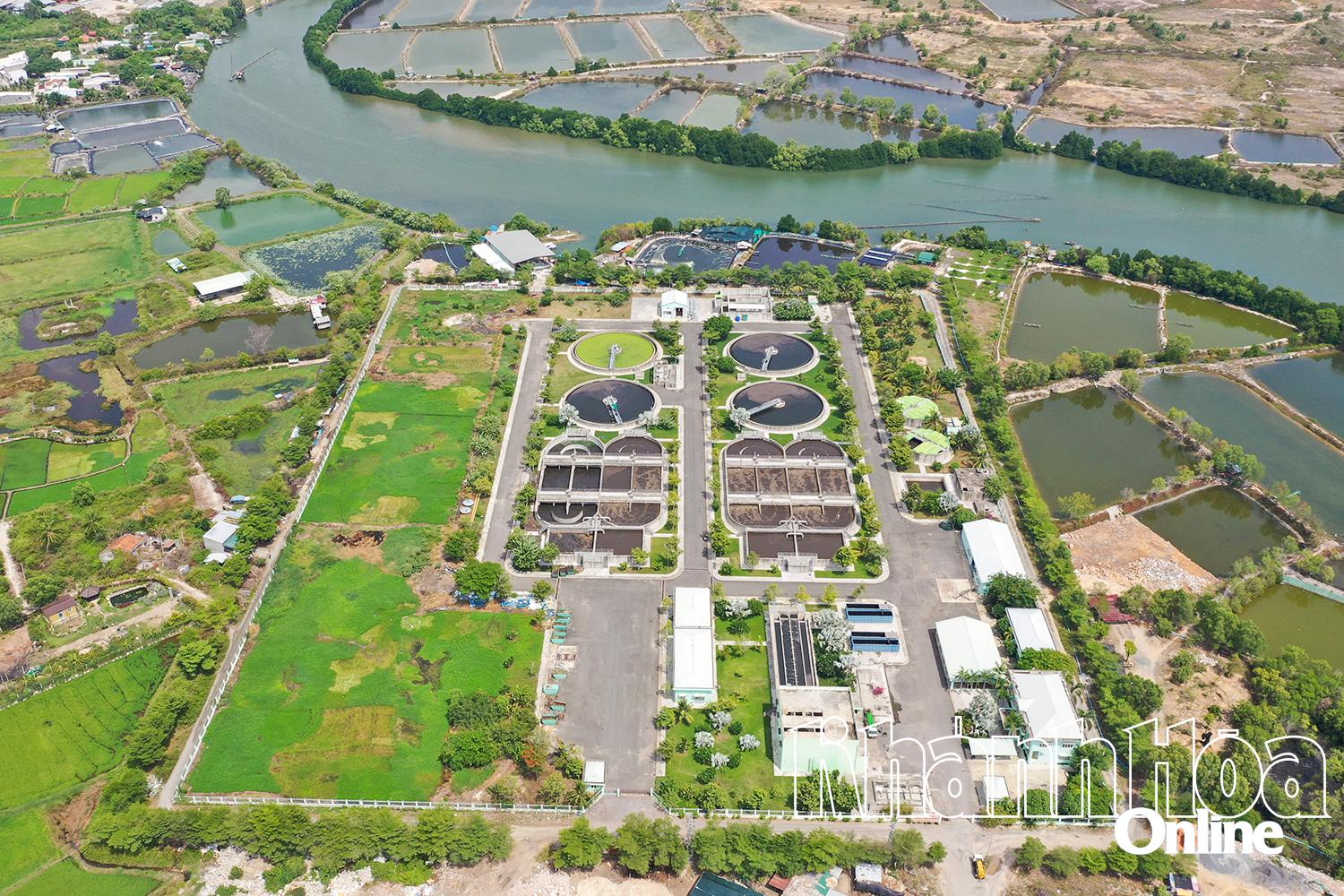 |
| The South Nha Trang Wastewater Treatment Plant from above. |
Step-by-step investment toward comprehensive environmental solutions
According to a report by the Department of Agriculture and Environment, the province currently has three urban wastewater collection and treatment systems, including: the Southern Nha Trang Wastewater Treatment Plant with a capacity of 40,000 m3/day; the Northern Nha Trang Wastewater Treatment Plant with a capacity of 15,000 m3/day; and the Phan Rang - Thap Cham Wastewater Treatment Plant with a capacity of 7,500 m3/day. All wastewater treated by these three plants meets the required standards.
In the province, 12 out of 14 industrial zones and clusters have centralized wastewater treatment systems that meet environmental technical standards; the remaining two industrial clusters are currently implementing procedures and constructing centralized wastewater treatment systems, expected to be completed and put into operation by November 30, 2025.
Three traditional craft villages named My Nghiep brocade weaving, Chung My brocade weaving, and Bau Truc pottery in Khanh Hoa have implemented basic environmental management practices. Additionally, solid waste from both production activities and daily life is regularly collected and treated to minimize environmental impact.
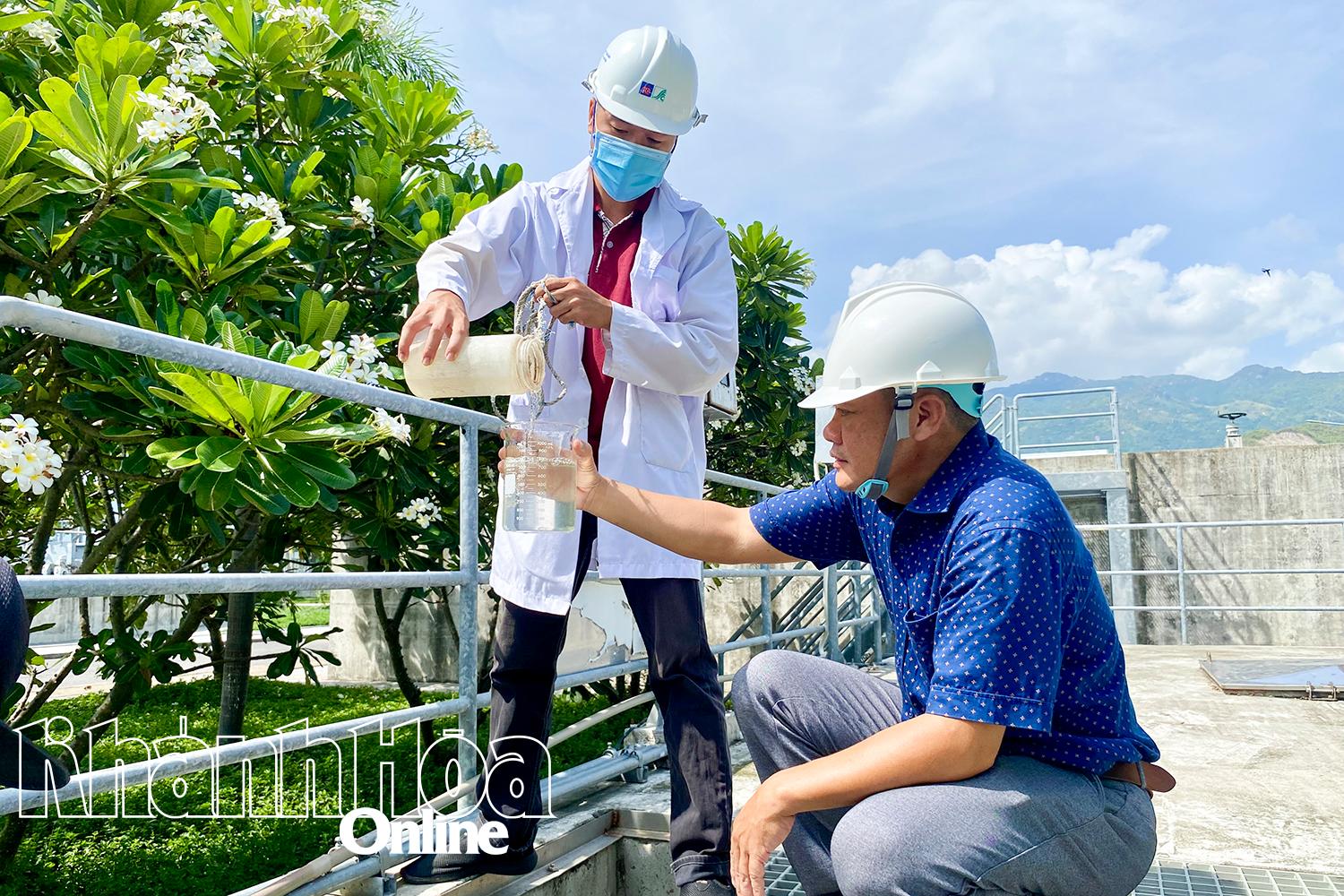 |
| The treated wastewater meets the required standards at the South Nha Trang Wastewater Treatment Plant. |
In addition, four craft villages that are not classified as industries at risk of causing environmental pollution generate a small and insignificant amount of wastewater. The quality of ambient air, surface water, groundwater, and coastal seawater is remains at a good level, meeting environmental technical standards.
In addition, according to the planning and development plan, the province also has two waste-to-energy projects: the Household Solid Waste Treatment Plant in North Nha Trang Ward and the Khanh Hoa Waste-to-Energy Plant in Suoi Dau Commune. Besides, there are 19 solid waste treatment facilities, including 13 household solid waste treatment facilities in the northern area, 3 industrial solid waste treatment facilities; and 3 in the southern area of the province.
Environmental management aligned with provincial development goals
At a meeting with provincial People's Committee leaders in October, Nguyen Thi Lan, Deputy Director of the Department of Agriculture and Rural Development, proposed that the provincial People's Committee direct departments, agencies, and commune-level People's Committees to continue promoting community awareness, encouraging waste sorting at the source; urging community participation in the collection, transportation, and treatment of rural household waste.
At this meeting, Le Huyen, Vice-Chairman of the Provincial People's Committee, assigned the Department of Agriculture and Rural Development to preside over and coordinate with relevant agencies and units to provide consultancy for the Provincial People's Committee on issuing guiding documents on environmental protection. State management policies must strike a balance between environmental protection and the province’s development needs. It is essential to formulate environmental management and protection strategies that align with the provincial planning orientation, development goals, and environmental targets outlined in the Resolution of the 1st Provincial Party Congress for the 2025–2030 term.
Le Huyen has directed the Department of Agriculture and Rural Development to undertake a comprehensive review and enhancement of environmental protection efforts across the province. The key directives include assessing human resources and infrastructure dedicated to environmental protection to ensure adequate capacity and effectiveness; Evaluating the entire solid waste management process, from collection to treatment, and developing a detailed zoning map to optimize waste collection and treatment operations; Formulating regulations for inter-agency environmental information sharing, enabling timely and transparent communication among relevant departments and organizations; Establishing coordinated procedures for inspection, examination, and enforcement of environmental protection laws, tailored to specific conditions and challenges.
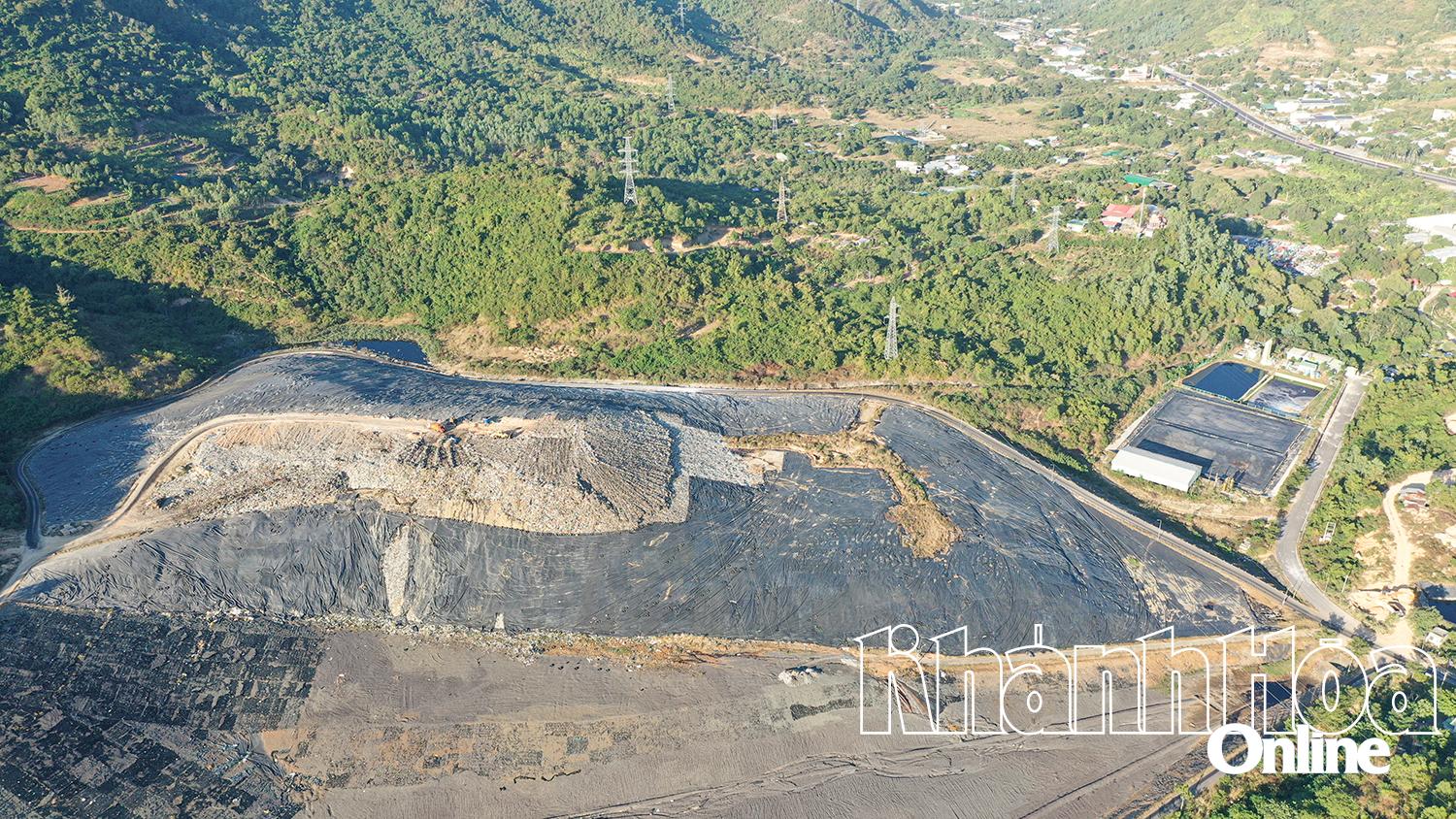 |
| The Luong Hoa landfill and leachate treatment plant. |
Currently, the province is focusing on four pillars of economic growth: industry, energy, tourism and services, and urban development and construction. Local departments, agencies and localities were requested to focus on identifying and forecasting environmental impacts to ensure environmental protection and sustainable economic development.
According to Plan No. 2190, dated August 16, 2025, of the Provincial People's Committee implementing Directive No. 02, dated January 24, 2025, of the Prime Minister on urgent solutions to strengthen water pollution treatment in some river basins, the Provincial People's Committee sets the following objectives: By December 31, 2025, 100% of industrial parks and industrial clusters in the province will have centralized wastewater collection and treatment infrastructure operating in compliance with environmental technical standards; 100% of craft villages generating industrial wastewater will have plans for centralized wastewater collection and treatment, etc.
C.T
Translated by N.T






Thông tin bạn đọc
Đóng Lưu thông tin